
Recognizing the Signs You Need a Golf Cart Battery Replacement
By Sue Mannarino | December 3, 2025
Maintaining a golf cart isn’t just about keeping it clean or charging it regularly—it also involves paying close attention to the battery, which is the lifeblood of your vehicle. A healthy battery ensures your golf cart runs smoothly, performs consistently, and avoids leaving you stranded mid-round or mid-ride around your community. Whether you use your golf cart for leisure, for work around a large property, or as a neighborhood vehicle, understanding when a golf cart battery replacement is needed can save time, money, and headaches.
Even a small decline in battery performance can have a noticeable effect on your cart’s reliability. Unlike gasoline-powered carts, electric carts rely entirely on battery power to function. According to Golf Expert Blog, there are two types of golf carts: gasoline-powered or electric. For electric carts, battery health is critical, and recognizing the signs of deterioration is the first step toward avoiding sudden failures and costly repairs.
How Do I Know If My Golf Cart Battery Needs Replacement?
Identifying the need for a golf cart battery replacement requires careful observation of your cart’s performance and physical condition. One of the most obvious signs is a reduction in driving range. If your cart doesn’t travel as far as it used to on a full charge, this may indicate the battery is losing capacity. For example, if you typically drive 18 holes on a single charge but find yourself needing a recharge after just nine holes, your battery might be nearing the end of its life.
Other indicators include sluggish acceleration or hesitation when navigating inclines or turns. Electric golf carts rely heavily on battery strength for power delivery, and even small declines in voltage can result in noticeably weaker performance. Additionally, unusual behaviors such as the battery taking significantly longer to charge, or frequent need for recharging even after apparent full charging, are strong warning signs.
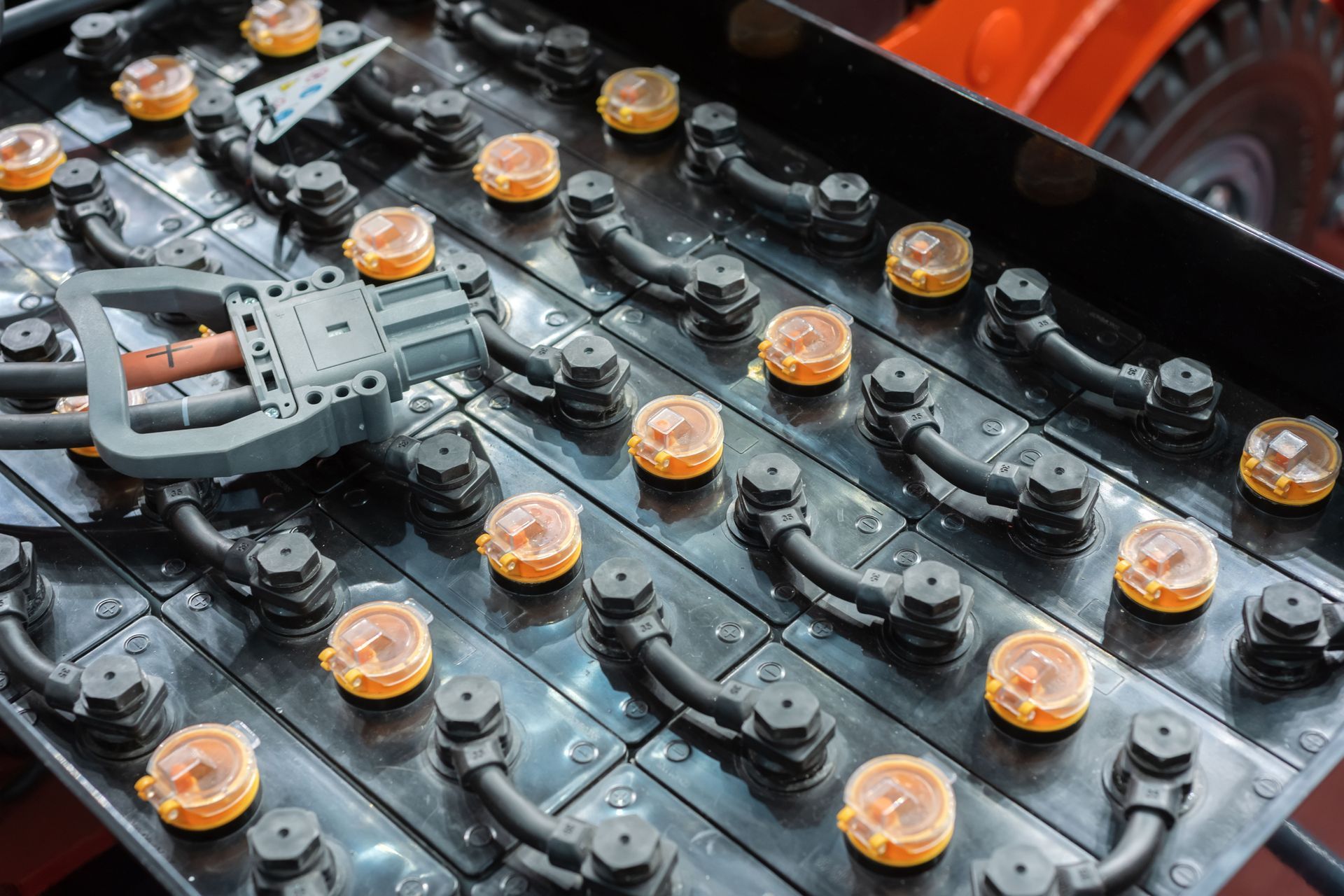
Physical symptoms can also point to a failing battery. Corrosion on terminals, visible leaks, or a noticeable sulfur-like odor are all indicators that your battery may need replacement. Observing these signs early can help you plan a golf cart battery replacement before the cart becomes unreliable or causes more extensive damage.
What Are the Consequences of Delaying a Golf Cart Battery Replacement?
Delaying a golf cart battery replacement can have multiple negative consequences. The most immediate is a loss of reliability. A weak battery may leave you stranded on the golf course, around your property, or in the community where you rely on your cart for transportation. Being caught in these situations can create significant inconvenience and even safety concerns, especially if you are far from a charging source.
Using a deteriorating battery over time can also put unnecessary strain on the cart’s motor and electrical components. Batteries that are pushed beyond their limits may overheat or leak acid, causing damage to wiring, battery trays, or other parts. This can result in higher repair costs compared to a planned battery replacement.
Moreover, ignoring a failing battery can shorten its overall lifespan and potentially lead to sudden failure. A sudden, complete breakdown might force you into an emergency golf cart battery replacement, which is often more expensive and less convenient than planning ahead. Timely recognition of battery issues not only preserves your cart’s functionality but also protects your investment.
How Often Should I Replace My Golf Cart Battery?
The typical lifespan of a golf cart battery depends on several factors, but most batteries last between three and five years. Heavy usage, frequent deep discharges, and poor maintenance can reduce this timeframe, while careful handling and proper care can extend it. For instance, a battery in a cart used daily for neighborhood transportation may need replacement sooner than one used only occasionally on the golf course.
If your cart is approaching the three-year mark, it is wise to monitor its performance closely. Watching for early warning signs such as shorter travel distances, slower acceleration, or longer charging times can help you anticipate when a golf cart battery replacement will be necessary. Planning allows you to avoid unexpected interruptions and ensures your cart remains ready for regular use.
It’s also worth noting that different types of batteries have varying lifespans. Lead-acid batteries, which are commonly used in golf carts, generally require more maintenance and may wear out faster if not properly cared for. Lithium-ion batteries, while more expensive, tend to last longer and provide more consistent performance, but they too require proper charging practices to reach their maximum lifespan.
What Factors Affect the Lifespan of a Golf Cart Battery?
Several factors influence how long a golf cart battery will last, and understanding these can help you plan for timely replacement. Environmental conditions, for example, can play a significant role. Extreme heat can accelerate chemical reactions in the battery, reducing its efficiency and shortening its lifespan. Cold temperatures, on the other hand, can temporarily lower battery capacity and cause performance issues. Proper storage, such as keeping the cart in a temperature-controlled garage, can help mitigate these effects.
Charging practices are equally important. Overcharging or undercharging a battery can significantly reduce its lifespan. Using a charger specifically designed for your battery type and avoiding frequent deep discharges can help prolong battery life. Consistently topping off your battery after use instead of waiting until it is completely drained also contributes to longevity.
Maintenance routines, such as cleaning terminals, checking electrolyte levels in lead-acid batteries, and ensuring connections are secure, also affect battery health. Even subtle negligence, like letting corrosion build up on terminals or ignoring irregular charging behavior, can accelerate battery decline. By understanding these factors, you can make informed decisions about when a golf cart battery replacement will be necessary.
What Are the Best Practices for Maintaining My Golf Cart Battery?
Following best practices for battery maintenance can significantly extend the life of your golf cart battery and reduce the frequency of replacements. Start with regular cleaning. Keeping terminals free of corrosion and connections tight ensures consistent voltage and prevents performance issues. For lead-acid batteries, checking and maintaining electrolyte levels is essential. Low fluid levels can damage the internal plates and lead to premature failure.
Proper charging habits are critical. Avoid letting the battery fully discharge frequently, as deep discharges can shorten its lifespan. Charging after each use, or when the battery drops to around 50 percent, is often ideal. Using a high-quality charger designed for your battery type ensures the battery receives a consistent charge without the risk of overcharging.
Storage also plays an important role in battery longevity. During off-seasons or extended periods of non-use, storing the cart in a temperature-controlled environment protects the battery from extreme temperatures. Additionally, periodically checking battery performance and staying alert to small changes—like slower acceleration, shorter distances per charge, or longer recharge times—can help you identify when a golf cart battery replacement is approaching.
Finally, consider professional inspections. Experienced technicians can test battery capacity, identify weak cells, and advise on the optimal time for replacement. These checks help prevent unexpected failures and keep your cart running efficiently for years.
Recognizing when your golf cart needs a golf cart battery replacement is essential for maintaining reliability, performance, and longevity. Paying attention to signs such as reduced driving range, slow acceleration, terminal corrosion, and frequent charging needs can help you identify when replacement is necessary. Understanding the consequences of delaying a replacement highlights the importance of timely action, while awareness of lifespan factors and best maintenance practices ensures your battery lasts as long as possible.
With proper care, attention, and early recognition of warning signs, your golf cart will remain a dependable companion, whether on the golf course, around your property, or in your community. Planning for a
golf cart battery replacement keeps your vehicle ready for regular use, minimizes unexpected interruptions, and protects your investment in your cart for years to come. If your golf cart needs a new battery, reach out to the experts at Southern Golf Kartz today!
Share On: