
Street-Legal Golf Carts: What You Need to Know Before Driving on Public Roads
By Sue Mannarino | September 8, 2026
Golf carts, once predominantly seen on golf courses, are increasingly being modified for street use. Their popularity on public roads is driven by their cost-effectiveness and environmental benefits. As urban areas become more congested, these compact vehicles present a practical alternative for short-distance travel. Local governments and communities are also embracing them for their low environmental impact. This article explores the multifaceted aspects of street-legal golf carts, offering insights into their growing presence on the roads.
Understanding the Basics of Street-Legal Golf Carts
Definition and Characteristics
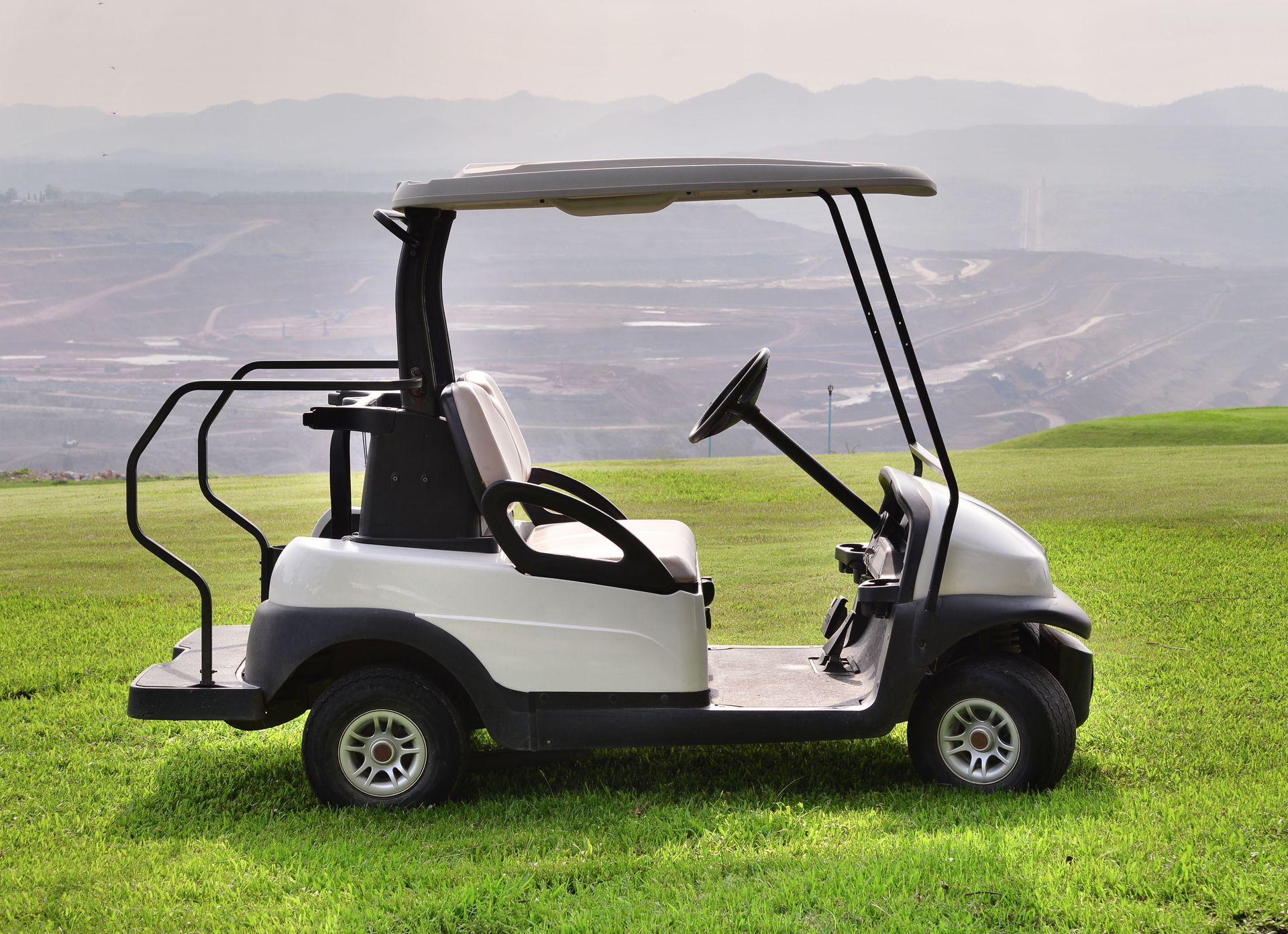
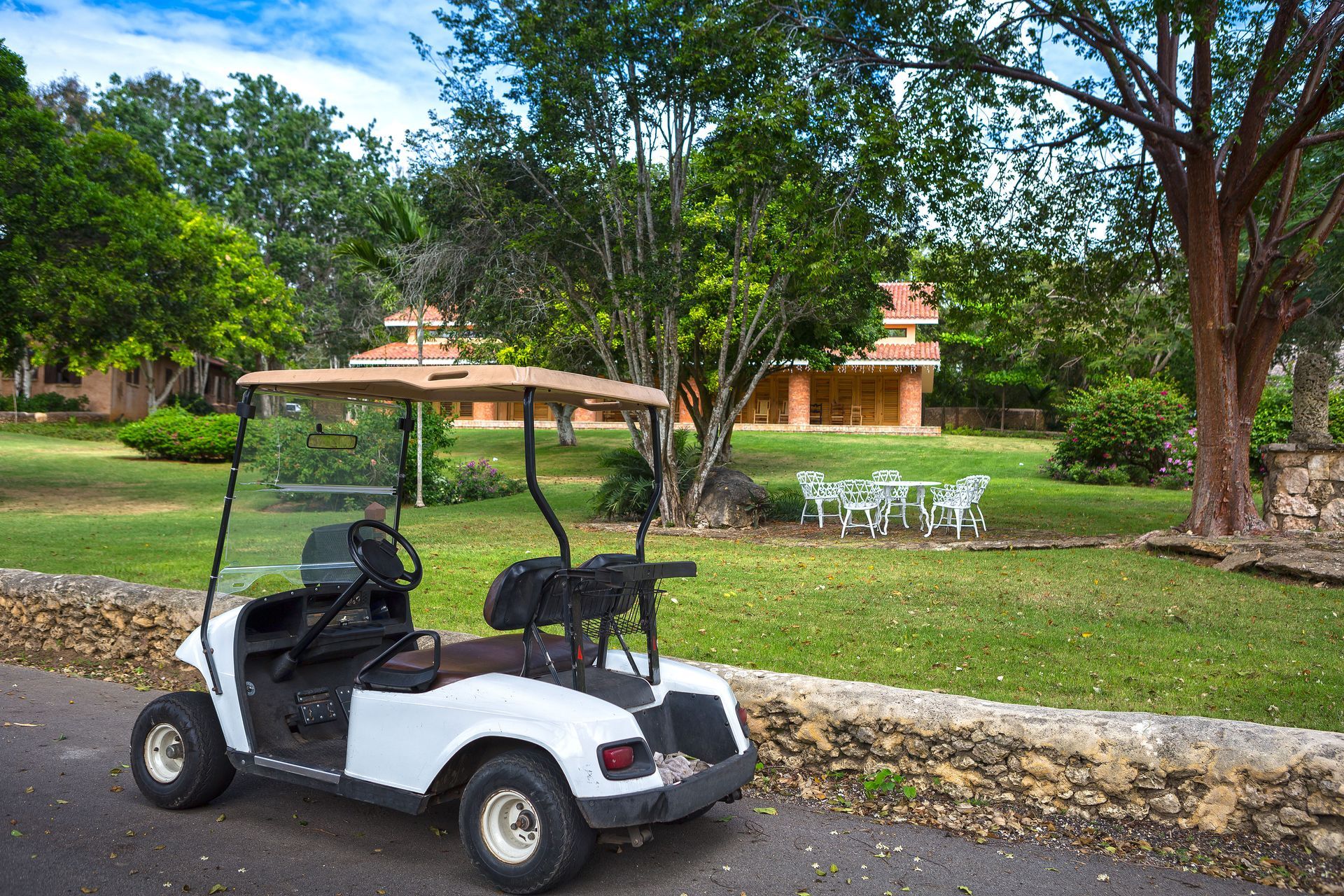
A street-legal golf cart is equipped with specific features such as headlights, taillights, and turn signals that allow it to be operated on public roads. These modifications ensure that the vehicle complies with safety and operational standards required by traffic laws. In addition to lighting, they must have reflectors, a rearview mirror, and adequate braking systems. The incorporation of seat belts and a windshield are also fundamental features for road use. These characteristics distinguish them from traditional golf carts found on courses or private lands.
Historical Context
Golf carts were first introduced in the 1930s, primarily for the elderly and those with disabilities on golf courses. Over the decades, their usage evolved, with modifications making them suitable for various applications beyond golf courses. By the late 1990s, communities in places like Florida began legalizing them for street use in certain areas. Factors like low operating costs and growing green initiatives spurred this transition. This shift marks a fascinating journey from niche utility vehicles to mainstream transportation options.
Types of Street-Legal Golf Carts
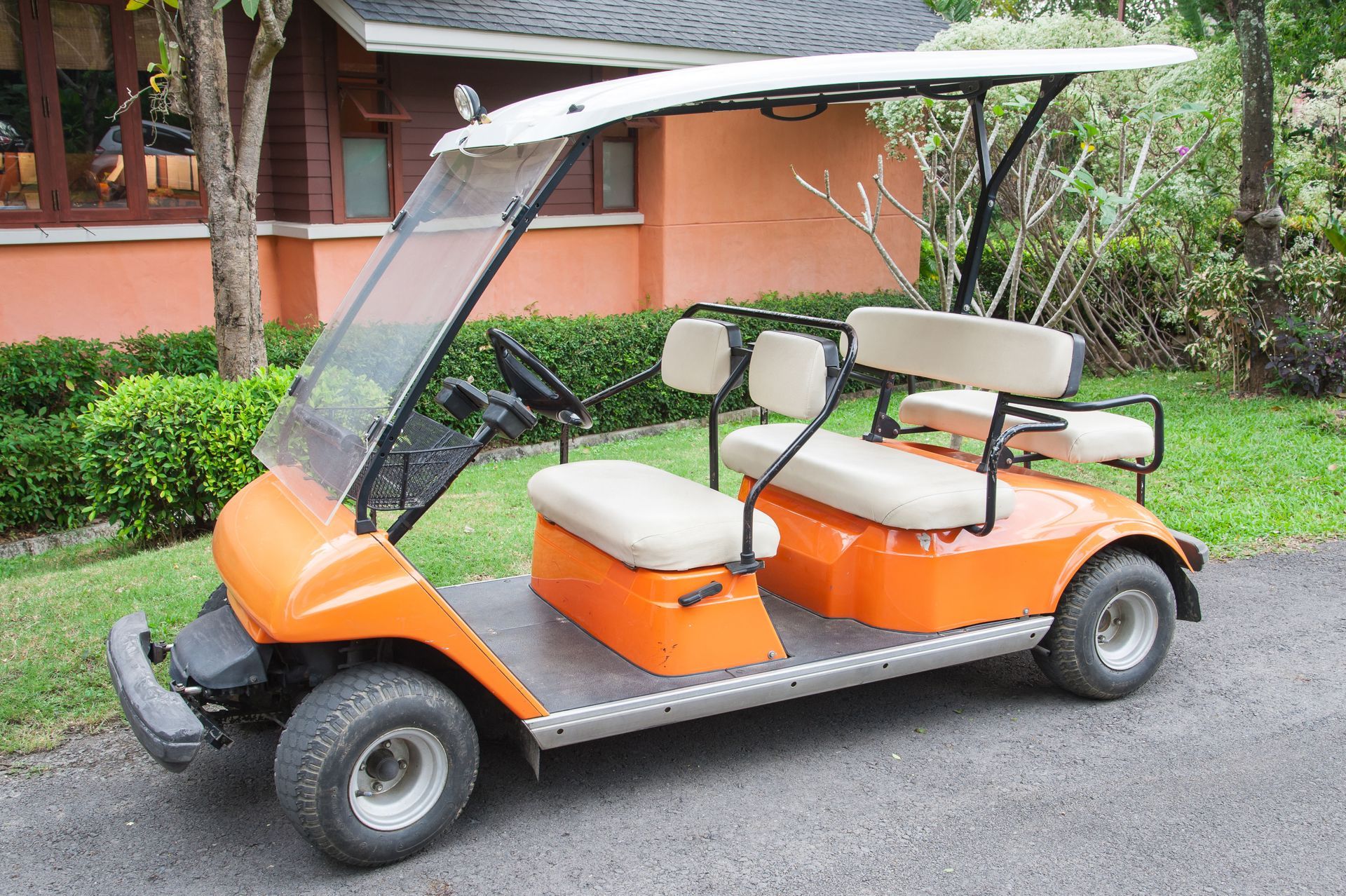
The market offers various models of street-legal golf carts, each catering to different needs and preferences. Some are designed for urban commuting, offering compact dimensions and efficient powertrains. Others target off-road or recreational users, featuring enhanced suspension systems and rugged build. Popular models include the Club Car Villager and the E-Z-Go Express series. Innovations such as electric drivetrains further diversify the lineup, appealing to environmentally conscious consumers.
Comparative Analysis With Traditional Vehicles
Street-legal golf carts differ from traditional cars primarily in scale and speed. These carts are smaller in size, making them ideal for navigating tight urban spaces and offering easy parking solutions. While traditional cars can achieve higher speeds, golf carts generally cap at around 20 to 25 miles per hour, adhering to safety requirements. Economically, they offer significant savings on fuel costs and maintenance compared to conventional gas vehicles. However, their limited range and slower speeds may not suit all travel needs.
Understanding Legal Requirements and Regulations
Federal Regulations
The federal regulations governing street-legal golf carts categorize them as Low-Speed Vehicles (LSVs). This classification mandates adherence to specific safety standards outlined by the National Highway Traffic Safety Administration (NHTSA). Key requirements include a speed capability of at least 20 miles per hour but not exceeding 25 miles per hour. All LSVs must be equipped with basic safety features such as seat belts, headlamps, and brake lights. Compliance with these federal standards is essential for legal street use across the United States.
State-Specific Regulations
Regulations for street-legal golf carts vary significantly across states, with each imposing unique criteria. Some states require additional features such as windshield wipers or specific tire types, whereas others focus on operational environments. In states like California, registration and insurance are required for street use, while others may have less stringent rules. Local ordinances may also dictate where and when these vehicles can be operated. Prospective users must familiarize themselves with their state's specific regulations to ensure compliance.
Licensing and Registration
To operate a street-legal golf cart, owners must typically complete the licensing and registration processes similar to those for traditional vehicles. This involves submitting paperwork to the Department of Motor Vehicles (DMV) to obtain a title and license plate. A driver's license is generally required for operation on public roads. Registration fees can vary by state and may depend on the vehicle's weight or intended usage. Adhering to these requirements legally incorporates golf carts into the road-sharing ecosystem.
Insurance Considerations
Insurance for street-legal golf carts is important to cover potential liabilities, much like traditional vehicles. Potential policies might include collision, comprehensive, or liability coverage, tailored to the owner's needs and local requirements. The availability of specialized golf cart insurance varies, as not all insurers offer such options. Ensuring adequate coverage protects both the driver and others on the road. Assessing different policy options enables owners to find the most suitable and cost-effective insurance plan.
Understanding Economic and Environmental Impact
Cost-Effective Transportation
Street-legal golf carts present an economically viable alternative to traditional vehicles, especially for short commutes. Operating costs are significantly lower, with electric models offering substantial savings on fuel expenses. Maintenance costs also tend to remain minimal, given the simpler mechanical systems of golf carts. This cost-efficiency appeals to a broad spectrum of users, from retirees to environmentally conscious urban dwellers. Communities embracing these vehicles might experience enduring economic benefits through reduced transportation costs.
Environmental Benefits
The environmental benefits of using electric golf carts over gasoline-powered vehicles are notable. By reducing dependence on fossil fuels, battery-operated golf carts significantly decrease carbon emissions. Lower energy and material consumption in their construction further enhance their green credentials. Many urban areas promote golf carts as an eco-friendly transportation method, aligning with broader sustainable development goals. Their expanding presence reflects an increased awareness and prioritization of environmental responsibility.
Market Trends and Future Projections
Street-legal golf carts are experiencing notable growth, driven by technological advancements and heightened environmental consciousness. The U.S. electric golf cart market size, estimated at $529.4 million in 2024, is projected to reach $886.7 million by 2033, according to Globenewswire.com. Market analysts anticipate continued innovation within vehicle technology, battery efficiency, and alternative energy sources. This trajectory suggests widespread adoption and evolving roles in various sectors. Investment in infrastructure will likely intensify, correlating with increasing market demand.
Considering Personal Stories and Case Studies
Community Adoption Insights
Communities that have adopted street-legal golf carts often report positive impacts on mobility and quality of life. Residents appreciate the convenience and cost savings of using golf carts for daily commuting. Community planning that supports golf cart use, including dedicated lanes and parking spaces, increases safety and reduces traffic congestion. Anecdotal evidence suggests enhanced social interactions as residents engage more with neighbors. Adoption surveys underscore the value communities place on sustainable transportation alternatives.
Individual Experiences
Individuals who frequently use street-legal golf carts often highlight the exceptional convenience they offer for short, local trips. Personal stories point to the ease of operation and lower maintenance costs compared to traditional vehicles. Users appreciate the eco-friendly aspects, contributing to a greener community and personal lifestyle. For some, transitioning to a golf cart signifies a commitment to sustainability and financial wisdom. Such personal accounts collectively reflect a growing trend toward alternative, sustainable mobility options.
Commercial Use Case Studies
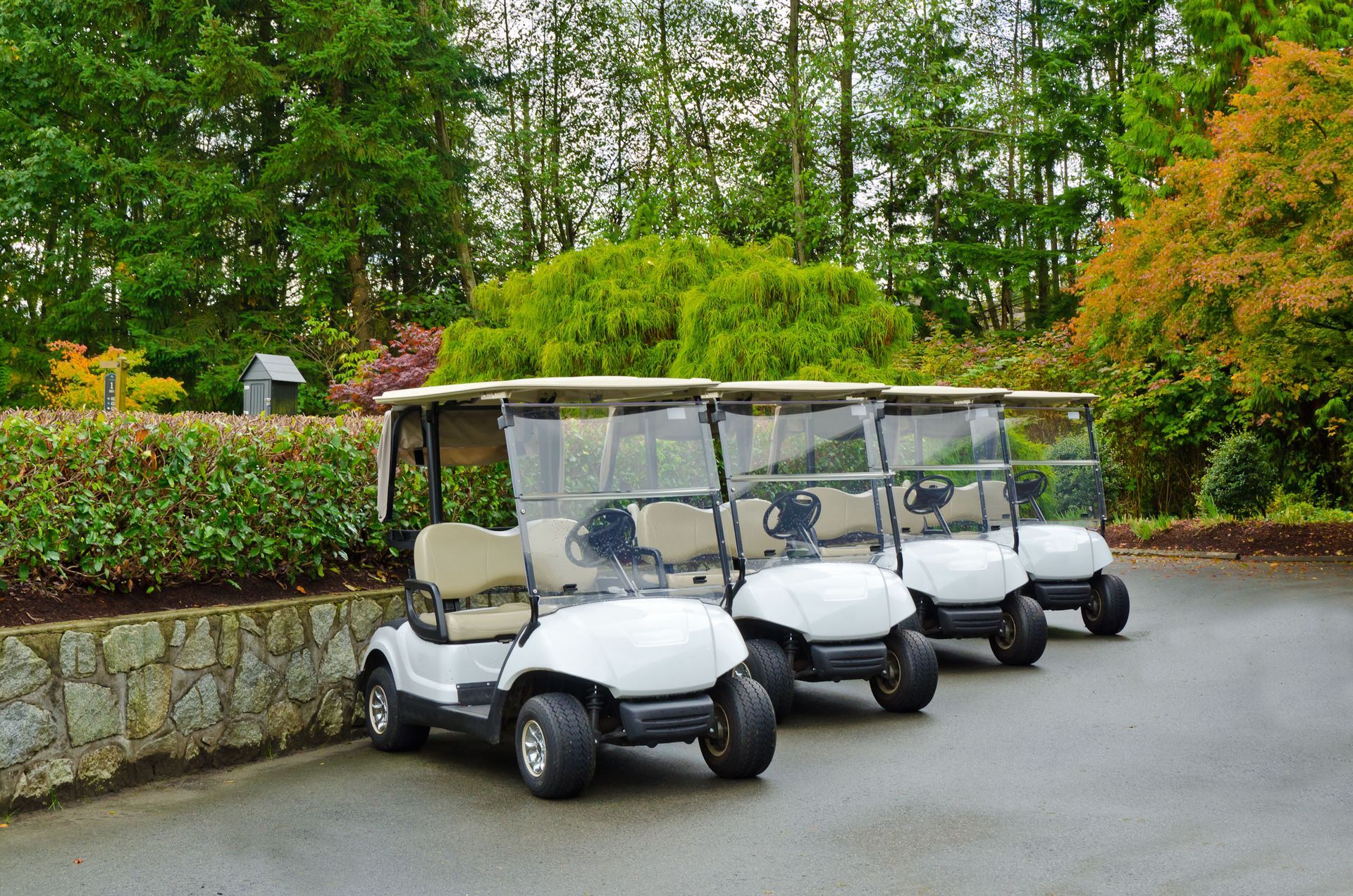
Various businesses have integrated street-legal golf carts into their operations to enhance service efficiency and reduce costs. From resorts offering guest transport to industries needing short-range logistics solutions, these vehicles prove versatile. Case studies reveal improvements in operational efficiency, especially in expansive or rural business settings. Golf carts offer mobility solutions that align with environmental commitments while maintaining practical benefits. Such entrepreneurial adaptations illustrate potential diverse commercial applications for these unique vehicles.
Street-legal golf carts represent an innovative shift in transportation, offering environmentally friendly and economical travel solutions. Adoption involves comprehending regulations, modifications, and practical driving considerations, forming a holistic approach to sustainable travel. As the electric golf cart market anticipates substantial growth, understanding the multifaceted impacts on the economy and community life underscores their potential. Personal insights reinforce their advantages while illustrating common challenges, guiding future integration efforts. With careful planning and regulatory alignment, golf carts could significantly shape the future of urban transportation. If you're looking for quality golf carts, contact Southern Golf Kartz today.
Share On: